
Waste Disposal Units
Waste Disposal Units — UK Kitchen Specialists
Welcome to Waste Disposal Units — your UK specialist for kitchen food waste disposers. Whether you are upgrading your kitchen sink or fitting a new disposal unit for the first time, we stock a comprehensive range to suit every household and budget. Browse our range and get fast delivery across the UK.
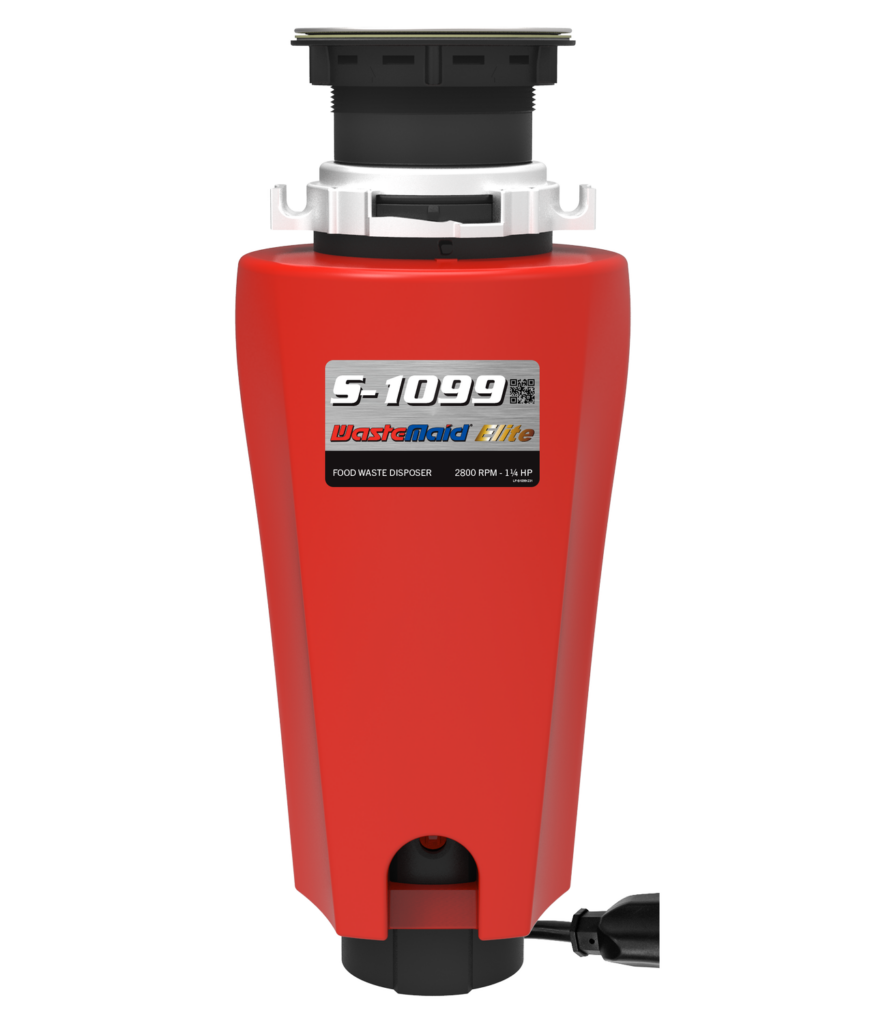
We specialise exclusively in kitchen waste disposers, which means you get expert knowledge, competitive prices and genuine after-sales support. Our team works directly within the industry, so every product we sell has been thoroughly assessed for build quality, performance and long-term reliability.
From compact entry-level models to heavy-duty professional appliances, our waste disposal units are built to British plumbing standards and come with full manufacturer warranties. Browse our range, explore our buying guides and find the right unit for your kitchen today.
On This Page
- Waste Disposal Units vs Macerators
- Choosing the Right Unit for Your Kitchen
- How a Waste Disposer Works
- Are They Environmentally Friendly?
- The Best Models for UK Kitchens
- Pros and Cons
- Are They Worth It?
- Are They Noisy?
- Can You Fit One to Any Sink?
- What Is a Batch Feed Unit?
- What Is a Continuous Feed Unit?
- What Types Are There?
- What Is the Purpose of a Disposal Unit?
- Which Models Are Best?
Waste Disposal Units vs Macerators — What Is the Difference?
Customers sometimes ask how our appliances compare to macerators. While both handle waste beneath the sink, they serve different purposes. A waste disposer — also known as a garbage disposal or food waste disposer — grinds kitchen scraps into fine particles that drain away through your existing plumbing. Macerators, by contrast, are designed to macerate toilet and sanitary waste for pumped drainage, not kitchen scraps. If you are looking to manage organic kitchen waste efficiently, a disposal unit is the right choice.
When you browse our disposer models, you will find small, compact units suitable for flats and apartments alongside larger, higher-powered options for family kitchens. All prices shown include VAT, and we offer fast tracked delivery across the UK. Whether you want to compare our continuous feed range or explore batch feed and air switch options, our full selection makes it straightforward to find the right kitchen appliance for your home.
Choosing the Right Waste Disposal Unit for Your Kitchen
If you are looking to buy in the UK, it pays to understand exactly what to look for before you commit. These kitchen appliances — sometimes called food waste disposers or garbage disposals — are fitted beneath the kitchen sink and grind scraps into fine particles that drain safely away through your existing plumbing.
The most important factor is motor power. A higher-horsepower motor handles tougher kitchen scraps more effectively and is less likely to jam. For a busy family kitchen, we recommend at least a ½ HP model, while households that cook frequently benefit from ¾ HP or above.
Noise is another key consideration. Budget models can be surprisingly loud during operation, which can be disruptive in open-plan kitchens or smaller homes. Our premium range includes sound insulation as standard, making them noticeably quieter than basic alternatives — an important factor if your kitchen opens directly into a living or dining area.
You will also need to decide between a continuous feed and a batch feed model. Continuous feed units let you add scraps while the appliance is running, while batch feed designs grind in sealed loads — a safer option if you have young children nearby.
Installation is straightforward in most UK kitchens. You need a suitable sink with a 90mm drain opening, enough clearance beneath the cabinet and a switched electrical outlet nearby. Most homes are already set up for a simple fit.
Key things to consider when choosing:
- Motor power (HP): Higher horsepower means better performance on tough scraps and less risk of jamming.
- Feed type: Continuous feed models are fastest; batch feed models offer added safety for families.
- Noise insulation: Premium models feature built-in sound dampening — important in open-plan kitchen spaces.
- Grinding chamber size: A larger grinding chamber handles bigger volumes and processes scraps more efficiently.
- Warranty length: Our units carry manufacturer warranties of up to seven years on selected models.
- Sink compatibility: Check the drain opening diameter (90mm standard) and clearance beneath your kitchen cabinet.
For a full breakdown of everything to consider, read our buying guide or visit the waste disposal units shop to compare models side by side.
How a Waste Disposer Works
A kitchen waste disposer is an electrically powered appliance installed beneath your sink. When switched on, a high-speed motor spins an impeller plate inside a grinding chamber. Scraps dropped into the unit are flung outward against a grind ring, breaking them down into particles small enough to pass through the drain with a stream of cold water.
The ground material travels through your standard drainage system to a treatment plant, where it is processed alongside other wastewater. This keeps kitchen scraps out of your bin, eliminating odours at source and reducing the volume of organic material sent to landfill.
Most household scraps are suitable — vegetable peelings, fruit remnants, cooked meat, small bones and coffee grounds. Fats, oils and fibrous materials like celery or onion skins should be avoided, as these can cause blockages over time. Running cold water before, during and after use keeps the unit clean and extends its working life.
Our appliances feature auto-reverse grinding technology that reduces jamming and minimises maintenance. Stainless steel components inside the grinding chamber resist corrosion and remain sharp for years of reliable service — built for longevity, engineered to sit neatly beneath any standard kitchen sink and perform consistently day after day.
Are Waste Disposal Units Environmentally Friendly?
One of the most common questions we hear is whether these appliances are good for the environment. The honest answer is: yes, when used correctly, a kitchen waste disposer is a genuinely eco-friendly choice.
Organic matter rotting in landfill produces methane — a greenhouse gas significantly more potent than CO₂. By processing kitchen scraps through the sewage system instead, these units divert organic material to treatment facilities where it can be converted into biogas and fertiliser. This circular process is far more sustainable than bagged waste heading to landfill.
The energy required to run one is minimal — typically comparable to a standard light bulb operating for a few minutes each day. Paired with a green electricity tariff, the carbon footprint of daily use is negligible.
For households looking to reduce their environmental impact, a kitchen disposer is a practical and effective step forward. Responsible kitchen waste management starts at the sink, and our range makes it easy to get started with fast UK delivery on every order.
The Best Waste Disposal Units for UK Kitchens
Our product range is designed to cover every kitchen — from compact utility spaces to large family kitchen and dining areas. Here is a quick overview of our most popular disposer models.
The S-Series offers exceptional value for everyday use. Fitted with a powerful induction motor and stainless steel grinding components, it handles typical household kitchen scraps quietly and efficiently. These continuous feed models are ideal for most UK kitchens and come ready to install beneath standard sinks.
The Elite Series steps up with more powerful motors, enhanced sound insulation and jam-resistant technology. If you cook regularly and want an appliance that runs quietly without interruption, this range is our most recommended choice. It includes both continuous feed and batch feed options as well as a popular air switch model operated by a push-button mounted on the worktop or sink — no direct electrical contact near water.
The Classic Series is our premium heavy-duty range, designed for high-volume use. With a robust motor and advanced grinding chamber, these units tackle even the toughest kitchen scraps with ease. They are also an excellent choice as a like-for-like replacement for older Rangemaster appliances.
All three series are compatible with standard British kitchen sinks and come with full UK manufacturer warranties. Delivery is fast and tracked across the whole of the UK.
Not sure which series is right for you? Visit our buying guide or browse the full range of waste disposal units in our shop.
Waste Disposal Units: Pros and Cons
Pros:
- Convenience: Handle kitchen scraps instantly at the sink — no more scraping plates into a bin or dealing with a smelly caddy on the worktop.
- Eco-friendly: Keeps organic kitchen scraps out of landfill, reducing methane emissions and supporting sustainable wastewater treatment.
- Reduced odours: Scraps are eliminated at source rather than sitting in your bin, keeping your kitchen fresher for longer.
- Cost-effective: Reduces bin bag usage and the need for frequent waste collections, saving money over time. Fast UK delivery is available on all orders.
- Safety options: Batch feed and air switch models add an extra layer of safety, making these practical kitchen accessories for family homes.
- Standard sink compatibility: Most kitchen sinks with a 90mm drain opening are suitable. Installation is straightforward for a competent DIYer or plumber.
- Hygiene: Processing scraps immediately at the kitchen sink eliminates the bacteria and pests that accumulate in a caddy or bin bag.
- Long warranties: Selected disposer models carry manufacturer warranties of up to seven years, giving genuine peace of mind.
Cons:
- Plumbing requirements: A power outlet and suitable drain connection are needed under the sink. Most UK kitchens are already equipped, but it is worth checking before purchasing.
- Noise levels: Basic models produce more noise during operation. Our Elite and Classic ranges include sound insulation to minimise this.
- Maintenance: Occasional cleaning is recommended — specialist foam cleaners keep the grinding chamber fresh and free from residue.
- Not suitable for all waste: Fats, oils, fibrous vegetables and non-kitchen items should never be put through the appliance. Stick to standard scraps for best results.
- Electrical requirement: A switched outlet beneath the kitchen cabinet is required. If one is not present, a qualified electrician can add one at modest cost.
Overall, the benefits far outweigh the limitations for the vast majority of UK households. With the right model and straightforward care, you will enjoy years of reliable hassle-free kitchen waste management.
Are Waste Disposal Units Worth It?
For most UK homeowners, the answer is a clear yes. A kitchen disposal unit transforms the way you manage scraps. Instead of sweeping leftovers into a bin, the appliance grinds them down small enough to pass safely through the drain in just a few seconds.
From an environmental perspective, diverting scraps from landfill to wastewater treatment is a meaningful step towards reducing household carbon emissions. Methane produced by decomposing material in landfill is a significant contributor to climate change — every kilogram diverted makes a genuine difference.
Practically speaking, these appliances keep your kitchen smelling clean, cut down on bin bags and remove the need for a caddy on your worktop. For households that cook from scratch regularly, the convenience alone makes it a worthwhile investment.
Our disposer models are competitively priced for the quality they offer, and with warranties of up to seven years on selected units, you are buying kitchen accessories built to last. Delivery across the UK is fast and straightforward, and our team is on hand if you need guidance before or after your purchase.
Are Waste Disposal Units Noisy?
It depends on the model. Basic entry-level units can produce a noticeable grinding noise during operation. If your kitchen opens into a living or dining area, this can be a genuine concern.
Our Elite and Classic Series models are designed with built-in sound insulation that significantly dampens operational noise. When running one of these premium units, many customers are surprised by how quiet they are — comparable to a dishwasher rather than anything more disruptive.
To minimise noise, always run cold water through the unit while it operates and avoid feeding exceptionally hard items like large bones. Our buying guide includes specific recommendations for quieter disposer models if noise reduction is your top priority.
Can You Fit a Waste Disposal Unit to Any Sink?
Most UK kitchen sinks are compatible with a standard disposal unit, but there are a few things to check before ordering.
The sink’s drain opening needs to be at least 90mm (3.5 inches) in diameter — the standard size used by the vast majority of UK kitchen sinks. If your drain opening is smaller, an adapter may be required.
You will also need enough space beneath the sink to accommodate the appliance. Most of our models are compact by design, but it is worth measuring the available depth and width in your under-sink cabinet before purchasing. Check that your kitchen pipework and any existing accessories beneath the sink leave adequate clearance.
Finally, you will need a switched electrical outlet within reach under the sink. If one is not already in place, a qualified electrician can install one quickly and affordably. Once everything is in order, fitting one of our units is a straightforward job for a competent DIYer or any plumber.
What Is a Batch Feed Waste Disposal Unit?
A batch feed disposal unit grinds kitchen scraps in sealed loads. You fill the grinding chamber, fit the specially designed stopper or cover and then activate the appliance. The cover must be in place before the motor starts, which makes batch feed models inherently safer — particularly in households with young children.
Batch feed units tend to be slightly quieter during operation and use less water per cycle, as the appliance only runs for as long as needed to process each load. They are an excellent kitchen accessory for households that want added safety without sacrificing performance.
Our Elite Series includes a popular batch feed model that combines safety, quiet operation and robust grinding performance. Browse our waste disposal units to compare batch feed and continuous feed options side by side.
What Is a Continuous Feed Waste Disposal Unit?
A continuous feed waste disposer is the most popular type of kitchen appliance in this category in the UK. It operates while scraps are added, allowing you to feed material into the unit as you prepare or clean up after meals — no need to stop and start between loads.
Unlike batch feed models that require a cover to activate, continuous feed units are switched on via a wall switch or air switch, leaving the sink drain opening accessible during use. This makes them faster and more practical for larger households or anyone who generates scraps frequently throughout the day.
Our S-Series and Elite Series continuous feed disposer models are among our best sellers, combining powerful motors, anti-jam protection and competitive pricing. Both ranges are designed for straightforward installation beneath standard kitchen sinks and come with fast UK delivery included.
What Types of Waste Disposal Units Are There?
These appliances come in several types, each suited to different kitchens and lifestyles. Here is a quick guide to the main options available from our range of waste disposal units:
- Continuous Feed Units: The most popular choice for UK households. Add kitchen scraps while the appliance runs via a wall or air switch. Ideal for busy kitchens. Our S-Series and Elite continuous feed disposer models are top sellers.
- Batch Feed Units: Grind scraps in sealed loads, activated by the cover being in place. Safer around children and slightly quieter in operation. Our Elite batch feed model is particularly popular with families.
- Air Switch Units: Operated by a push-button air switch mounted on the sink or worktop surface rather than a traditional wall switch. No direct electrical contact near water makes these a popular kitchen accessory for safety-conscious households.
- Heavy-Duty Models: Designed for high-volume use, featuring more powerful motors and larger grinding chambers. Our Classic Series falls into this category — also an ideal replacement for older Rangemaster appliances beneath larger kitchen sinks.
- Quiet Insulated Models: Premium units with built-in sound insulation that significantly reduce operational noise. If your kitchen is open-plan, our Elite and Classic ranges offer excellent noise reduction as standard.
- Compact Models: Smaller units designed for flats, studio kitchens or under-sink spaces with limited clearance. These entry-level disposer models offer all the core benefits in a space-saving footprint.
Choosing the right type comes down to your kitchen layout, household size and how much you generate day to day. Our buying guide walks you through each option in detail to help you make a confident, informed decision.
What Is the Purpose of a Waste Disposal Unit?
At its simplest, a kitchen disposal unit exists to make waste management quick, clean and hassle-free. Rather than collecting scraps in a bin or caddy — where they attract odours, pests and bacteria — the appliance processes them immediately at the sink, at the point of preparation or washing up.
Beyond convenience, there is a meaningful environmental benefit. Organic matter decomposing in landfill generates methane, which contributes to climate change. Processing kitchen scraps through the sewage system diverts them to treatment facilities that convert material into renewable energy and nutrient-rich biosolids.
For busy households, the daily time saving is significant. No more rinsing caddies, separating organic matter or dealing with a full kitchen bin. Our appliances handle it all in seconds — so you can focus on enjoying your kitchen rather than managing it.
Which Waste Disposal Units Are Best for UK Kitchens?
We offer one of the most comprehensive ranges of waste disposal units available in the UK, covering entry-level, mid-range and heavy-duty disposer models. The best choice depends on your kitchen setup, how much you cook and what features matter most to you.
For most households, the Elite Series strikes the ideal balance between price and performance. A powerful motor, quiet operation and jam-resistant design make it a dependable daily workhorse. Available in continuous feed and batch feed configurations, there is a model to suit virtually every kitchen sink setup.
If you are on a tighter budget but still want a quality unit, the S-Series delivers solid performance at an accessible price point. These continuous feed models are straightforward to install and built to handle standard household kitchen scraps reliably year after year.
For the highest-output kitchens — or as a direct replacement for an older Rangemaster unit — the Classic Series provides heavy-duty grinding performance with a robust build quality designed to last.
When comparing disposer models, consider motor power (HP), noise insulation, feed type and the length of the manufacturer’s warranty. All units stocked on this site come with full UK warranty support, are compatible with standard British kitchen sinks and are available with fast tracked delivery across the UK.
Browse the complete range, compare specifications and buy online at our waste disposal units shop — or read our detailed buying guide to narrow down your choice before you buy.